



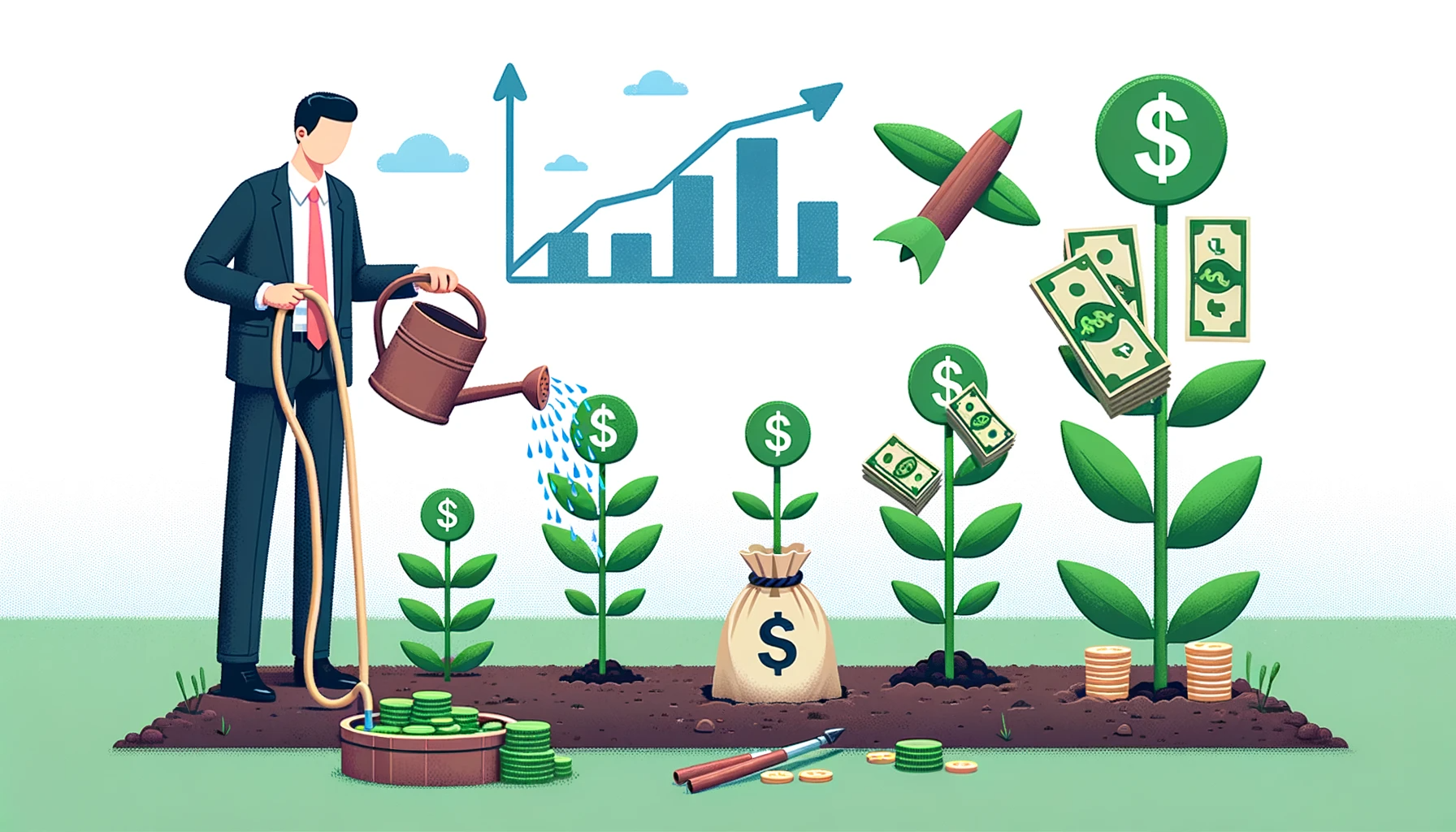
In the realm of sales, performance is the linchpin that drives success. It’s the measure of a salesperson’s effectiveness and the yardstick by which their contributions to the organization are evaluated.
What is Sales Performance?
Sales performance, essentially, refers to the level of achievement a sales professional or team reaches against their set goals and targets. It includes various aspects such as the number of deals closed, revenue generated, customer relationships built, and new prospects identified.
The importance of sales performance cannot be overstated. It directly impacts a company’s bottom line and is crucial for business growth and sustainability. Moreover, effective sales performance can lead to increased market share and competitive advantage. Therefore, the emphasis on sales performance improvement is a key focus for many organizations.
Indicators of High Sales Performance
High sales performance is characterized by several indicators. Though these can vary depending on the specific goals of the organization or sales team, some common indicators include:
- High Conversion Rate: A higher percentage of prospects converted to customers signifies effective selling skills and techniques.
- Increased Revenue: This indicates the salesperson’s ability to not just win deals, but win valuable deals that bring in significant revenue.
- High Customer Retention Rate: This shows the salesperson’s ability to build and maintain strong relationships with customers, an aspect known as relationship selling.
- Success in Lead Generation: The ability to consistently generate new leads is a key indicator of a proactive and dedicated salesperson. Learn more about sales lead generation here.
- Effective Objection Handling: This shows the salesperson’s skills in addressing and overcoming customer objections. This is a critical aspect of closing sales deals.
| Indicator | Description |
|---|---|
| High Conversion Rate | Reflects effective selling skills and techniques |
| Increased Revenue | Shows the ability to win valuable deals |
| High Customer Retention Rate | Indicates strong relationship-building skills |
| Success in Lead Generation | Signifies a proactive and dedicated sales approach |
| Effective Objection Handling | Demonstrates skills in overcoming customer objections |
Understanding these indicators can help sales professionals identify their strengths and areas for improvement, setting the stage for targeted strategies for sales performance improvement.
Strategies for Sales Performance Improvement
Improving sales performance is a key objective for any sales professional. Effective strategies for sales performance improvement often involve setting clear goals and expectations and enhancing selling skills and techniques.
Setting Clear Goals and Expectations
Goals provide a clear direction and offer a benchmark for measuring performance. They should be specific, measurable, achievable, relevant, and time-bound (SMART). Setting SMART goals can help sales professionals stay focused, motivated, and accountable.
| SMART Goals | Description |
|---|---|
| Specific | The goal should clearly state what needs to be achieved. |
| Measurable | The goal should have a metric that can be used to track progress. |
| Achievable | The goal should be realistic and attainable. |
| Relevant | The goal should align with the overall business objectives. |
| Time-bound | The goal should have a specific time frame for completion. |
In addition to setting individual goals, sales leaders should also set clear expectations for their team. This includes defining key performance indicators (KPIs), explaining the sales process, and communicating the company’s sales strategies and objectives.
Enhancing Selling Skills and Techniques
Another key strategy for sales performance improvement is enhancing selling skills and techniques. This includes mastering the art of sales prospecting, sales lead generation, relationship selling, closing sales deals, and objection handling in sales.
Effective prospecting skills can help sales professionals identify potential customers, while lead generation techniques can help attract and convert these prospects into leads. Relationship selling skills are important for building and maintaining strong relationships with customers, which can lead to repeat business and referrals.
Closing skills are crucial for sealing the deal and turning leads into customers. Lastly, objection handling skills can help sales professionals address customer concerns and objections, thereby increasing the chances of making a sale.

Continuous learning and practice are essential for enhancing these selling skills and techniques. Sales professionals should regularly seek opportunities to learn new strategies, techniques, and skills that can help them improve their sales performance.
By setting clear goals and expectations and enhancing selling skills and techniques, sales professionals can significantly improve their sales performance. It’s crucial to remember that sales performance improvement is an ongoing process that requires commitment, effort, and a willingness to learn and adapt.
Role of Training in Sales Performance
While talent and experience can take a sales professional far, continual learning and development are key components of long-term sales performance improvement. Regular training not only enhances selling skills but also helps in staying updated with market trends, competitor insights, and emerging sales technologies.
Importance of Regular Training
Training plays a vital role in the development of a sales professional. Regular training sessions keep their selling skills sharp and up-to-date, helping them to meet and exceed their sales targets.
Training can also aid in the development of new skills, like mastering relationship selling or effective objection handling in sales, that can prove to be a competitive edge in today’s dynamic market.
Moreover, training is important for familiarizing sales professionals with the company’s products or services, ensuring they can confidently and accurately represent them to potential clients.
Overall, regular training is a critical investment for any sales-focused organization seeking to boost their sales performance.
Types of Training for Sales Professionals
There are several types of training that can contribute to sales performance improvement. Here are a few common ones:
- Product Knowledge Training: This type of training allows sales professionals to gain an in-depth understanding of the product or service they are selling. It’s vital for answering customer queries accurately and providing detailed information.
- Sales Techniques Training: This training focuses on enhancing skills like sales prospecting, closing sales deals, and objection handling.
- Customer Service Training: Given the importance of customer satisfaction in securing repeat business, sales professionals can benefit from training that focuses on delivering excellent customer service.
- Market and Competitor Insights Training: To sell effectively, sales professionals need to understand their market and competition. This type of training can provide valuable insights that can be used to shape sales strategies.
- Personal Development Training: This encompasses a broad range of skills like time management, communication, and resilience, which can indirectly affect sales performance.
| Type of Training | Description |
|---|---|
| Product Knowledge Training | In-depth understanding of the product or service |
| Sales Techniques Training | Enhancing skills like prospecting, closing deals, and objection handling |
| Customer Service Training | Delivering excellent customer service |
| Market and Competitor Insights Training | Understanding market and competition to shape sales strategies |
| Personal Development Training | Developing skills like time management, communication, and resilience |
Choosing the right training for your sales team depends on their specific needs and the overall goals of your organization. By regularly investing in the right training, organizations can pave the way for significant sales performance improvement.
Impact of Technology on Sales Performance
In today’s competitive business environment, leveraging technology is no longer an option but a necessity. Especially in the sales domain, technology plays a vital role in facilitating sales performance improvement.
Technological Tools for Sales Professionals
Sales professionals have access to a range of technological tools designed to streamline their work, enhance productivity, and ultimately improve sales performance. Some of these tools include:
- Customer Relationship Management (CRM) Systems: These tools help manage customer interactions, track sales activity, and predict customer behavior, thereby improving sales forecasting accuracy.
- Sales Enablement Platforms: These platforms provide resources like content, tools, and information, crucial for sales teams to sell more effectively.
- Email Automation Tools: These tools automate the process of sending out emails to potential and existing customers, saving time and increasing efficiency.
- Analytics and Reporting Tools: These tools provide insights into sales performance, helping sales professionals identify areas for improvement.
- Social Selling Tools: These tools leverage social networks for sales prospecting, building customer relationships, and sales lead generation.
How Technology Can Improve Sales Performance
The adoption of technology can enhance sales performance in numerous ways:
- Increased Efficiency: Technological tools automate repetitive tasks, freeing up time for sales professionals to focus on more strategic tasks like closing sales deals and relationship selling.
- Improved Accuracy: Automation reduces the risk of human error in data entry and calculations, leading to more accurate forecasting and reporting.
- Enhanced Customer Engagement: With tools like CRM systems, sales professionals can provide personalized experiences to customers, improving customer satisfaction and loyalty.
- Data-Driven Decisions: Analytics and reporting tools provide valuable insights into sales performance, helping sales professionals make informed decisions.
- Effective Communication: Email automation and social selling tools facilitate effective communication with customers, improving customer relationships and sales outcomes.
As evident, technology significantly impacts sales performance. It’s a remarkable asset for sales professionals aiming for sales performance improvement. However, it’s essential to remember that technology is just a tool. Its effectiveness lies in how well it’s utilized, and this largely depends on the skills and capabilities of the sales professionals. Training in the use of these tools, along with strategies for objection handling in sales, can make a vast difference in sales performance.
The Power of Motivation and Incentives
Motivation and incentives play a vital role in the realm of sales. They are crucial elements that can drive sales performance, fostering a more productive and enthusiastic sales team.
The Role of Incentives in Sales Performance
Incentives are powerful motivators in the sales industry. They provide a tangible reward for hard work and achievement, encouraging sales professionals to strive for higher performance. Incentives can take many forms, including monetary rewards, bonuses, and commissions. They act as a driving force, stimulating sales professionals to reach their targets, enhance their selling skills, and contribute to the overall sales performance improvement.
Incentives also foster a competitive atmosphere, pushing individuals to outperform their peers. This sense of competition can lead to increased productivity and ultimately, improved sales performance.
| Benefit of Incentives | Description |
|---|---|
| Motivation | Incentives motivate sales professionals to reach their goals. |
| Competition | They foster a competitive atmosphere, pushing professionals to outperform their peers. |
| Productivity | Incentives can lead to increased productivity. |
| Performance | They contribute to overall sales performance improvement. |
Non-Monetary Motivation Strategies
While monetary incentives are common, non-monetary motivation strategies can be equally effective in enhancing sales performance. These can include recognition programs, career development opportunities, and flexible work arrangements.
Recognition programs can be highly effective in motivating sales professionals. Receiving acknowledgment for one’s hard work can foster a sense of pride and accomplishment, boosting morale, and encouraging further effort.
Career development opportunities, such as training programs or opportunities for advancement, are another form of non-monetary motivation. They can help sales professionals develop their skills and advance their careers, contributing to their job satisfaction and commitment to the company.
Flexible work arrangements can also serve as a motivating factor. Allowing sales professionals to have control over their work schedules can increase job satisfaction and productivity, leading to improved sales performance.
| Non-Monetary Motivation Strategy | Benefit |
|---|---|
| Recognition Programs | Boost morale and encourage further effort. |
| Career Development Opportunities | Contribute to job satisfaction and commitment. |
| Flexible Work Arrangements | Increase job satisfaction and productivity. |
Incentives and motivation are critical components of a successful sales strategy. They can drive sales performance, enhancing productivity, and fostering a competitive and committed sales team. To learn more about improving sales performance, check out our articles on sales lead generation, closing sales deals, and objection handling in sales.
Monitoring and Evaluating Sales Performance
Effective monitoring and evaluation of sales performance are integral components in the process of sales performance improvement. Tracking progress and analyzing results not only allow for timely adjustments but also drive growth and development within the sales team.
Importance of Regular Performance Reviews
Regular performance reviews provide valuable insights into the strengths, weaknesses, and overall performance of a sales team. These reviews can highlight areas where improvement is needed, recognize outstanding performance, and foster open communication between managers and their team.
Sales professionals can gain a clearer understanding of their performance, identify areas for growth, and discuss their goals and aspirations. On the other hand, managers can gain valuable feedback, address concerns, and strategize for future success.
In the context of sales performance improvement, regular performance reviews are not just about assessing past performance. They also serve as an opportunity to set new targets, refine strategies, and align individual goals with the organization’s objectives.
Key Metrics for Evaluating Sales Performance
To effectively monitor and evaluate sales performance, certain key metrics should be taken into consideration. These metrics provide objective data that can be used to gauge the effectiveness of sales strategies, the efficiency of sales processes, and the productivity of sales professionals.
| Key Metric | Description |
|---|---|
| Sales Revenue | The total income from sales activities. It’s an indicator of overall sales success. |
| Sales Growth | The percentage increase in sales over a specific period. It reflects the team’s ability to drive business growth. |
| Conversion Rate | The ratio of sales to leads. It shows the effectiveness of the sales team in closing sales deals. |
| Customer Acquisition Cost (CAC) | The total cost to acquire a new customer. It’s a measure of efficiency in the sales process. |
| Customer Retention Rate | The percentage of customers who continue to do business over a specific period. It’s an indicator of successful relationship selling. |
| Sales Cycle Length | The average time it takes to close a sale. It’s a measure of sales process efficiency. |
These metrics provide a comprehensive view of sales performance and are crucial in driving sales performance improvement. By monitoring these metrics, sales professionals can identify trends, understand their performance, and make informed decisions to improve their sales strategies.
Remember, the goal is to continuously strive for sales performance improvement. Regular performance reviews coupled with a thorough analysis of key metrics can provide the insights needed to achieve this goal. Whether it’s refining sales prospecting strategies, enhancing objection handling skills, or improving relationship selling, the path to improvement begins with effective monitoring and evaluation.